Curious why some beautiful Palm Coast condos are tougher to finance than a single-family home? If you are eyeing a second home or an investment at a resort-style property, you may run into the term non-warrantable. It can feel confusing, especially when you are ready to buy. In this guide, you will learn what non-warrantable means, how lending works for 32137 resort condos, what documents lenders require, and practical steps to get from offer to close with confidence. Let’s dive in.
What non-warrantable means
Non-warrantable describes condo projects that do not meet the project standards set by major mortgage investors or government programs. That includes Fannie Mae, Freddie Mac, FHA, and VA. When a project falls outside those criteria, standard conventional or government-backed loans usually are not available. You will likely need a portfolio or alternative loan product instead.
Why resort condos often qualify
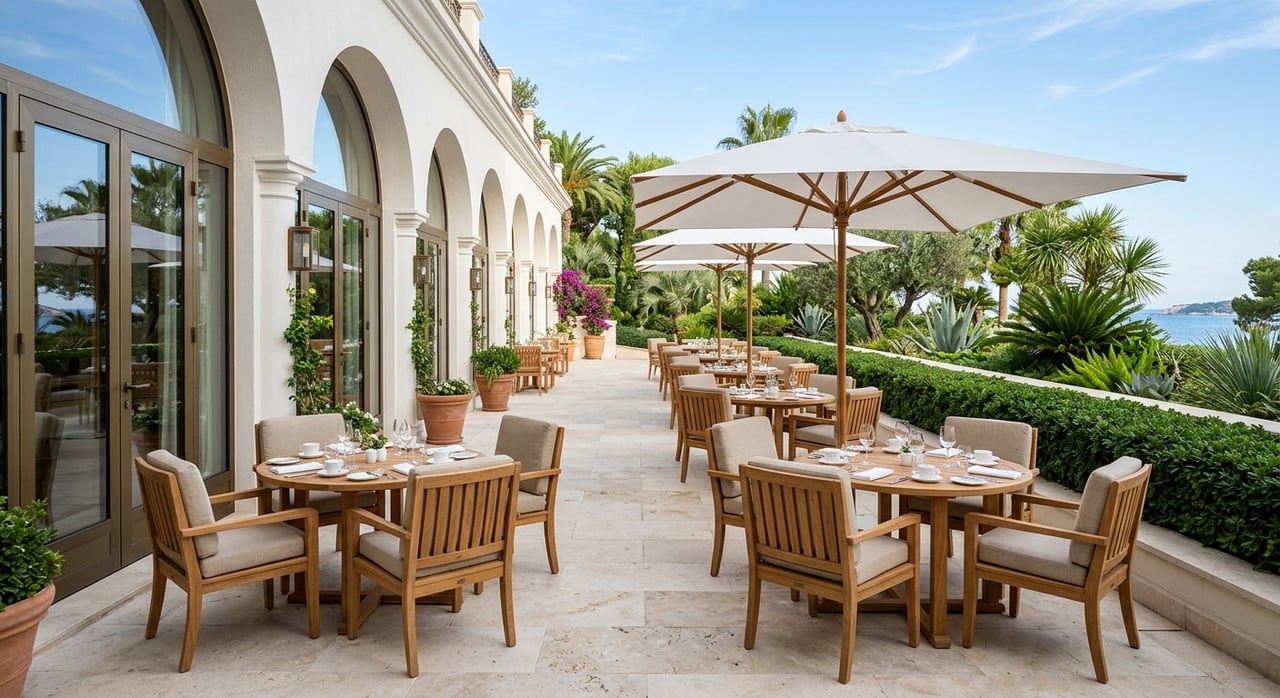
Resort communities in 32137 often operate more like hospitality properties than traditional residential condos. Common factors that trigger non-warrantable status include:
- A high share of units in short-term rental programs or a condo-hotel setup.
- Ongoing development or developer control of the association.
- One party or affiliated group owning many units.
- Significant commercial space within the building.
- HOA financial concerns such as low reserves or high delinquency rates.
- Pending litigation involving the association or developer.
- Insurance coverage gaps or unusual master policy arrangements.
Hammock Beach Club and similar Flagler County resorts can have rental pools, shared amenities, and phased development. Lenders must review these structures closely before approving financing.
Financing options that work
There are several paths to finance a non-warrantable condo. Each option balances flexibility, cost, and documentation in different ways.
Portfolio lending
Local banks, credit unions, and community-focused lenders may keep your loan in-house. This can mean more flexibility and local experience with resort projects. Rates and down payments are usually higher than standard agency loans. Underwriting often requires stronger credit and liquid reserves.
Non-QM and alternative mortgages
Non-QM products offer flexible income documentation, including bank statements or asset-based programs. These can fit investors and self-employed buyers. Interest rates and fees are typically higher than agency loans. Product rules vary, so ask how they treat second homes versus investment properties.
Private and hard-money lending
Private lenders can close fast and accept unique properties. Costs are significantly higher and terms are shorter. This route works best as a bridge solution rather than a long-term loan.
National portfolio divisions
Some large banks offer portfolio products through specialized divisions. These can combine institutional stability with project flexibility. Availability changes, and each lender has overlays you will need to meet.
FHA, VA, and conventional agency loans
FHA and VA typically require project approval. Conventional agency loans rely on warrantable project status. If a building is non-warrantable or not approved, these channels are usually not an option unless a lender issues a rare project waiver.
Down payments, rates, and terms
Non-warrantable financing usually means more skin in the game. Expect bigger down payments and pricing that runs higher than a standard conventional loan.
- Second homes: many lenders look for about 20 to 30 percent down, and some may require more depending on the project and your profile.
- Investment properties: plan for about 25 to 35 percent or more down.
- Cash purchases: common in resort markets and avoid financing hurdles.
Rates and terms often include shorter fixed periods, adjustable-rate structures, and possible prepayment restrictions. Lenders may also require extra reserves or escrow for HOA assessments. The exact offer depends on your credit, debt-to-income ratio, the project’s financial health, and the lender’s appetite.
Documents lenders will request
Gathering the right documents early keeps your timeline on track. Lenders will review the project, your unit, and your borrower file.
Project and association documents
- Recorded declaration, articles, bylaws, and amendments
- HOA budget and year-to-date financials
- Reserve study and account statements
- Owner concentration report and unit ownership list
- Master insurance certificates, including wind and hurricane coverage
- Property management and rental program agreements
- HOA meeting minutes and any special assessments
- Litigation disclosures and related legal opinions
Unit-level documents
- Purchase contract, deed, and title commitment
- Proof of paid HOA dues and any assessments
- Hazard, wind, and flood insurance as required
- Appraisal by a lender-accepted appraiser, often with resort experience
Borrower documentation
- Standard income and credit documents, or alternative income docs for non-QM
- Asset and reserve statements that may cover several months of HOA dues
- Explanations for any prior credit events if needed
Palm Coast and Flagler realities to plan for
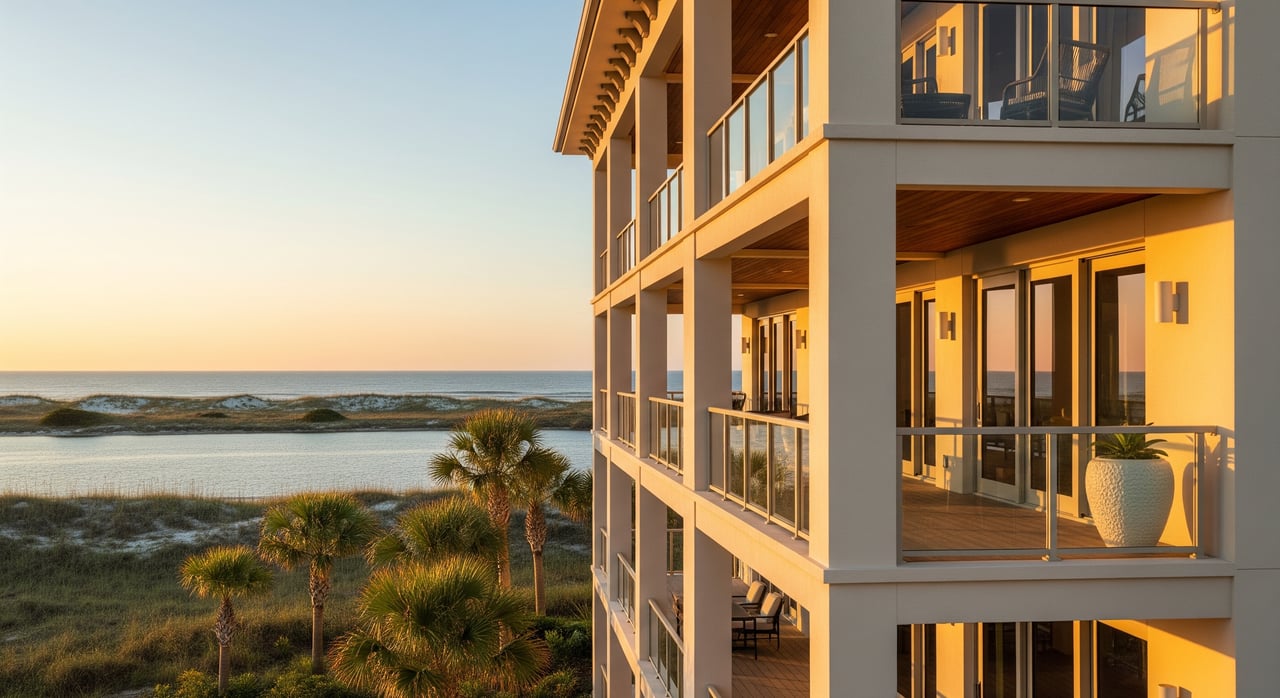
Coastal ownership in 32137 has unique insurance and risk considerations. Lenders will look closely at coverage and the association’s ability to manage future events.
- Wind and hurricane exposure: confirm whether the master policy covers wind or if you need separate walls-in or contents coverage.
- Flood zones: if the unit lies in a flood zone, a flood policy is typically required.
- HOA operations: resort HOAs may include shared amenity fees, club memberships, or centralized rental operations that impact the budget and reserves.
- Market dynamics: resort units attract second-home and investor buyers, and transaction volume can be seasonal. Liquidity may be lower than traditional condos, which influences appraisals and lender risk views.
Local portfolio lenders that regularly close 32137 resort condos can smooth the path. Experience with non-warrantable projects is a meaningful advantage.
Smart steps to get to closing
A little preparation goes a long way. Use these practical moves to improve speed and certainty.
- Request HOA documents early, ideally during offer negotiation, so your lender can screen the project quickly.
- Pre-qualify with lenders that explicitly finance non-warrantable or condo-hotel style properties in Flagler County.
- Plan for larger down payments and cash reserves. Gather updated statements before you apply.
- Investors: collect rental history, management statements, and tax returns if available. If not, be ready to show alternative income strength.
- Review insurance with a Florida coastal specialist. Clarify the master policy, your walls-in responsibilities, and flood coverage.
- Compare total loan cost, not just the rate. Include fees, reserve requirements, escrows, and any prepayment terms.
- If seller financing is on the table, negotiate clear terms and obtain legal review of HOA and loan documents.
Lender interview checklist
Ask pointed questions before you apply. The right lender will answer clearly and provide examples.
- Do you offer financing for non-warrantable condo projects in Flagler County, and how many loans like this have you closed in the past 12 months?
- Which products do you offer for these properties, such as portfolio fixed, ARMs, non-QM, bank statement, or private lender-held options?
- Do you have experience with resort and condo-hotel properties like Hammock Beach Club?
- What minimum down payment and maximum LTV do you require for second homes and for investment properties?
- What credit score, debt-to-income, and reserve requirements apply?
- What HOA and project documents do you need, and which issues will block approval?
- How do you treat short-term rental income in underwriting? Do you use management statements or only tax-reported income?
- Who orders HOA legal reviews or attorney letters, and who pays for them?
- What master insurance and fidelity bond evidence do you require, and are there deductible limits?
- How do you handle pending litigation or association claims?
- Will you escrow or require extra reserves for special assessments?
- What are your appraisal requirements for resort units, and do you require interior inspections?
- What is the typical timeline from application to clear-to-close?
- Do you have overlays beyond standard agency rules that could affect eligibility?
- Can you provide sample pricing for my scenario in writing?
- Will you accept cross-collateralization if the project is otherwise a dealbreaker?
- Are there occupancy restrictions or seasoning rules that affect my plan?
- Can you provide references for recent Palm Coast closings on similar properties?
For sellers of non-warrantable condos
Position your listing to reduce financing friction and expand your buyer pool. Preparation helps you close with fewer surprises.
- Gather HOA financials, insurance certificates, meeting minutes, rental program terms, and litigation disclosures before you list.
- Be upfront about rental policies, assessments, and club fees. Clear information builds buyer confidence.
- Expect some buyers to use portfolio or non-QM loans with longer underwriting. Build timeline flexibility into negotiations.
- Evaluate offers based on total certainty, not just price. Cash and strong portfolio pre-approvals can be meaningful.
- Consider seller financing when appropriate. Use attorney guidance to align terms with HOA rules and buyer needs.
Common red flags to address early
Before you go under contract, check for issues that often stop conventional financing.
- Insufficient master insurance, especially for wind and hurricane risk
- High single-entity ownership or continued developer control
- Significant pending litigation or recent large assessments without a plan
- Rental pools or structures that limit owner control and blur hotel operations
- Missing or inconsistent HOA budgets, reserve studies, or financials
Resolving or contextualizing these items early can keep your deal moving.
Move with confidence in 32137
Non-warrantable does not mean impossible. It means you need the right lender, a clear documentation plan, and a local team that understands resort communities. Whether you are buying a second home or an investment near Hammock Beach, preparation helps you secure better terms and close on your timeline.
Ready to map your path to the closing table? Request a Personalized Consultation with The Goellner Team. We will walk you through options, share a tailored document checklist, and introduce you to vetted local lenders experienced with Palm Coast non-warrantable condos.
FAQs
What makes a condo non-warrantable in Palm Coast?
- A condo is non-warrantable when the project does not meet agency requirements due to factors like short-term rental programs, ongoing development, high owner concentration, or HOA financial or insurance issues.
Can you finance a condo-hotel or resort unit at Hammock Beach?
- Yes, but you will likely need portfolio or non-QM financing since many resort-style projects do not qualify for agency loans; terms and down payment requirements vary by lender.
How much down payment is typical for a second-home non-warrantable condo?
- Many lenders expect about 20 to 30 percent down for a second home in a non-warrantable project, with exact requirements based on your profile and the building.
What insurance will lenders require for coastal condos in 32137?
- Lenders look for adequate master insurance with wind and hurricane coverage, plus flood insurance if the unit is in a flood zone; you may also need walls-in or contents coverage.
How do lenders view short-term rental income from resort units?
- Treatment varies; some consider management statements while others rely on tax-reported income, so ask upfront how your lender will underwrite rental revenue.
How long does financing take for a non-warrantable condo?
- Timelines vary with lender experience and HOA document readiness, but plan for extra time to complete project review, insurance verification, and appraisal on a resort unit.