Thinking about a condo in Palm Coast or the Hammock and keep hearing about “milestone inspections”? You are not alone. Florida’s updated rules are reshaping how condo communities plan for structural upkeep and how buyers evaluate buildings, especially along the coast. In this guide, you will learn what triggers inspections, what the reports include, how costs can affect owners and buyers, and how to judge a community’s preparedness. Let’s dive in.
What triggers a milestone inspection
If you own or are considering a condo in Flagler County, start with two factors: building height and age. The statewide framework typically applies to condominium and cooperative buildings that are three stories or higher. Most low-rise buildings under three stories are not within the core program.
Age and coastal proximity influence timing. Guidance commonly states that buildings within about three miles of the coastline reach their first milestone inspection around 30 years of age. Similar buildings farther inland often face a first milestone at about 40 years. After that first review, follow-up inspections are generally required every 10 years.
Keep in mind that local governments can add requirements or adjust timing. Sudden events like storm damage, fire, or visible structural distress can also trigger immediate inspections. Because rules have evolved since 2022, confirm timing and status with the Florida Department of Business and Professional Regulation and the Flagler County Building Division for your specific building.
What inspectors look for
Milestone inspections focus on structural safety and durability. Engineers examine columns, beams, load-bearing walls, slabs, decks, balconies, and foundations. They also assess roof framing and the overall structural system for signs of deterioration.
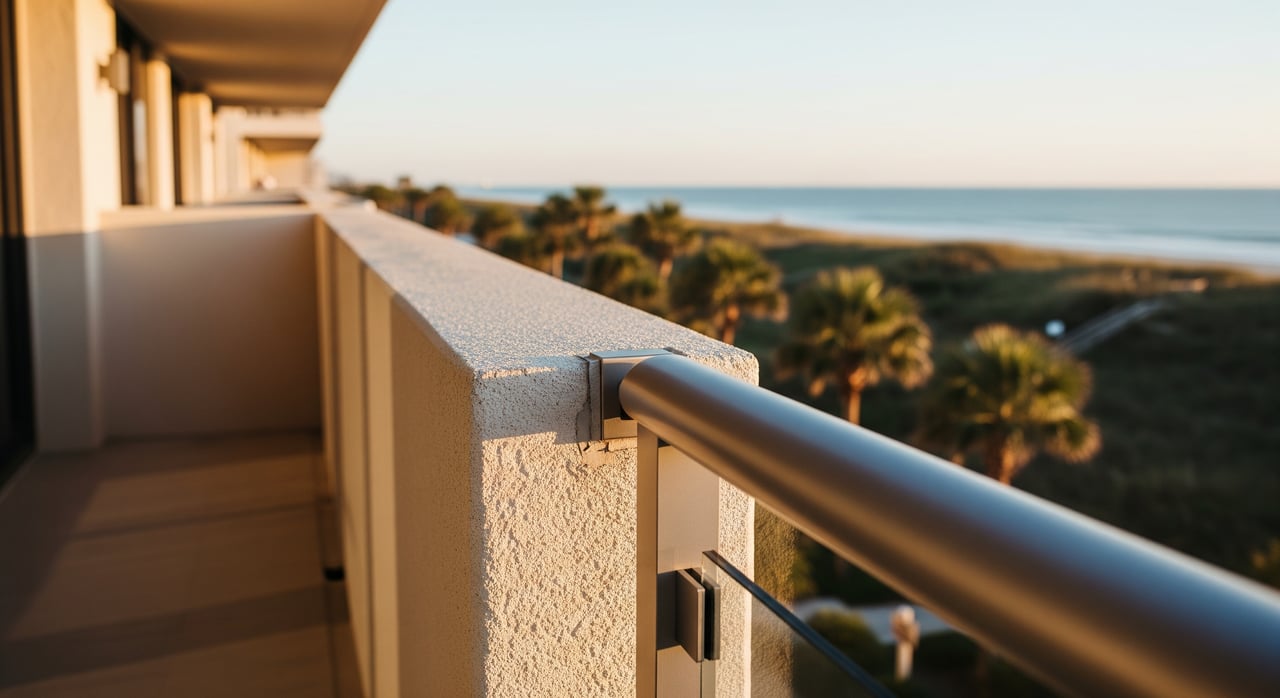
The building envelope gets close attention. Inspectors review balcony slabs, stucco, waterproofing, windows, and areas vulnerable to water intrusion or corrosion. Parking garages and podium structures that are part of the common elements are included when applicable.
Most initial inspections are visual, with non-destructive methods as a starting point. If an engineer sees significant distress, they may recommend targeted or invasive testing to confirm what is happening behind the surface.
What the report and reserve study include
A milestone inspection report typically delivers a clear summary of conditions and next steps. Expect an overview of findings, a prioritized list of deficiencies, and recommended repairs, along with estimated costs and timelines. The engineer should document qualifications and methods and flag any areas that need further investigation.
You will also see a related structural integrity reserve study. This specialized study highlights major structural components, estimates remaining useful life, projects repair or replacement costs, and outlines a funding plan. The plan may include annual reserve contributions, special assessments, or financing options to meet projected needs.
Qualified professionals are essential. Licensed structural or civil engineers typically lead milestone inspections, and reserve studies are prepared by engineers or specialized analysts with structural expertise. Association boards should confirm licensing and insurance when hiring vendors.
How this affects buyers and owners
Financial exposure and assessments
Inspection findings can lead to real costs. If the report identifies major work and reserves are not sufficient, associations may adopt special assessments, increase regular assessments, obtain a loan, or use a combination to fund repairs. Per-unit impacts vary widely based on building size and scope.
As a buyer, you can inherit risk if an association votes a new assessment near the time of your contract or closing. Your purchase agreement should clearly address who pays what if new repair obligations arise before closing.
Lending, insurance, and resale ripple effects
Lenders and national investors have project eligibility standards. Buildings with adverse inspection results or inadequate reserves may face extra scrutiny and, in some cases, financing limits. Insurers may raise premiums or require mitigation steps, especially for coastal properties. If insurance becomes more expensive or harder to obtain, resale values and buyer demand can be affected.
Timing and deal risk
A newly issued report that calls for immediate repairs can delay or derail a sale. It can also prompt price changes or require seller credits. Smart buyers build in document review periods and contingencies to reduce surprises.
Disclosure and essential documents
Sellers and associations typically must share relevant documents. You should request inspection reports, reserve studies, budgets, and board minutes early in your due diligence. The goal is to understand the current condition and the association’s plan to fund needed work.
How to evaluate a Flagler County condo community
Key documents to request
- Certificate of Occupancy or construction date to confirm age and timing.
- The most recent milestone inspection report and any follow-up reports.
- The structural integrity reserve study and the general reserve study if separate.
- Current operating budget, reserve schedules, and past 3 to 5 years of budgets.
- Board meeting minutes for the last 12 to 24 months.
- Association balance sheet and reserve fund details, including percent funded.
- Lists of pending or approved special assessments, loans, and major repair contracts.
- Bids and scopes for recommended repairs and relevant permits.
- Insurance declarations for wind, property, and umbrella coverage, plus renewal history.
- Any litigation involving structural or construction defects.
Signs of good preparedness
- Up-to-date inspection reports and a reserve study that clearly align with identified structural needs.
- A funding plan that is realistic and sustainable, including annual contributions.
- Transparent board communications and detailed minutes about upcoming work.
- Evidence of completed maintenance like waterproofing and balcony repairs, with permits on file.
- Access to contingency funds or borrowing capacity that reduces the need for sudden assessments.
Red flags to investigate further
- No inspection or reserve study records despite the building being near or past age thresholds.
- Visible exterior distress such as spalling concrete, large cracks, or sagging balconies.
- Low reserves and a history of waiving reserve contributions.
- Frequent special assessments or repeated borrowing for capital work.
- Insurance non-renewals or large deductible increases.
- Engineering recommendations for immediate invasive testing that have not been completed.
Practical steps for buyers
- Ask for the inspection report, reserve study, budgets, minutes, and insurance docs before removing contingencies.
- If the report lists major deficiencies, consider hiring your own structural engineer to review findings and costs.
- Negotiate contract protections that address new assessments or repair obligations announced before closing.
- Confirm with your lender that the condo project meets current underwriting guidelines.
Typical costs and timelines
Timelines vary by building size and scope. A milestone inspection for a mid-size building usually involves a few days on site and a few weeks to produce the report. If the engineer recommends further testing, plan for additional time. Once repairs are identified, design, permitting, contractor selection, and construction can take months to several years for large projects.
Costs also range widely. A visual milestone inspection can cost a few thousand dollars for small buildings and more for larger or complex structures. Structural reserve studies commonly range from a few thousand dollars to five figures for large properties. Major structural repairs like balcony remediation or waterproofing can reach hundreds of thousands to millions of dollars, with per-unit impacts that depend on the scope and reserve strength.
Local context: Palm Coast and the Hammock
Coastal Flagler County has the beauty of the Atlantic and the realities of salt air, humidity, and storm exposure. These conditions can accelerate corrosion and wear, especially on balconies, decks, and concrete elements. A consistent maintenance program and timely waterproofing are essential to long-term durability.
Many local communities are newer than those in older South Florida markets, but age varies. Use the Certificate of Occupancy to confirm the relevant timeline for inspections. In master-planned settings with layered governance, verify who maintains which components and how funding responsibilities are shared.
Next steps for owners and boards
- Determine whether your building is three stories or higher and confirm the age and applicable timeline.
- Verify requirements and deadlines with DBPR and the Flagler County Building Division.
- Hire a licensed structural or civil engineer to complete milestone inspections on schedule.
- Update or commission a structural integrity reserve study and adopt a realistic funding plan.
- Communicate clearly with owners about findings, timelines, and costs. Share reports and hold Q&A sessions.
- Explore financing tools like lines of credit or reserve loans when appropriate.
The bottom line for Flagler County
If your building is three stories or more and near the Atlantic, you should expect milestone inspections as it reaches the relevant age, with follow-ups roughly every 10 years. These reviews protect safety and help associations plan and fund necessary work. For buyers, the key is document-driven due diligence that clarifies condition, costs, and timelines before you commit.
If you want help evaluating a specific condo community in Palm Coast or the Hammock, reach out to the local experts. The Goellner Team can help you request the right documents, interpret findings, and align your purchase with your goals. Start a conversation with The Goellner Team.
FAQs
Which Flagler County buildings need milestone inspections?
- Typically, condominium and cooperative buildings that are three stories or higher fall under the statewide framework, with coastal proximity and age determining timing.
When is the first inspection due for a coastal condo?
- Guidance often cites an initial milestone around 30 years for buildings within about three miles of the coastline, then every 10 years thereafter. Confirm specifics with local authorities.
How could a milestone report impact my monthly costs?
- Significant deficiencies can lead to special assessments, increased dues, or association loans if reserves are not sufficient, which affects your monthly or annual expenses.
Can inspection results affect financing or insurance?
- Yes. Lenders and insurers review project condition and reserves. Adverse findings or low reserves can trigger extra scrutiny, higher premiums, or limited financing options.
What should I request before removing contingencies as a buyer?
- Ask for the milestone inspection report, structural reserve study, current and recent budgets, board minutes, insurance declarations, and any details on pending assessments or repair contracts.
What if my building shows visible distress before an inspection cycle?
- Sudden issues like cracking, spalling, or storm damage warrant immediate engineering review and potential repairs, regardless of the scheduled milestone timing.