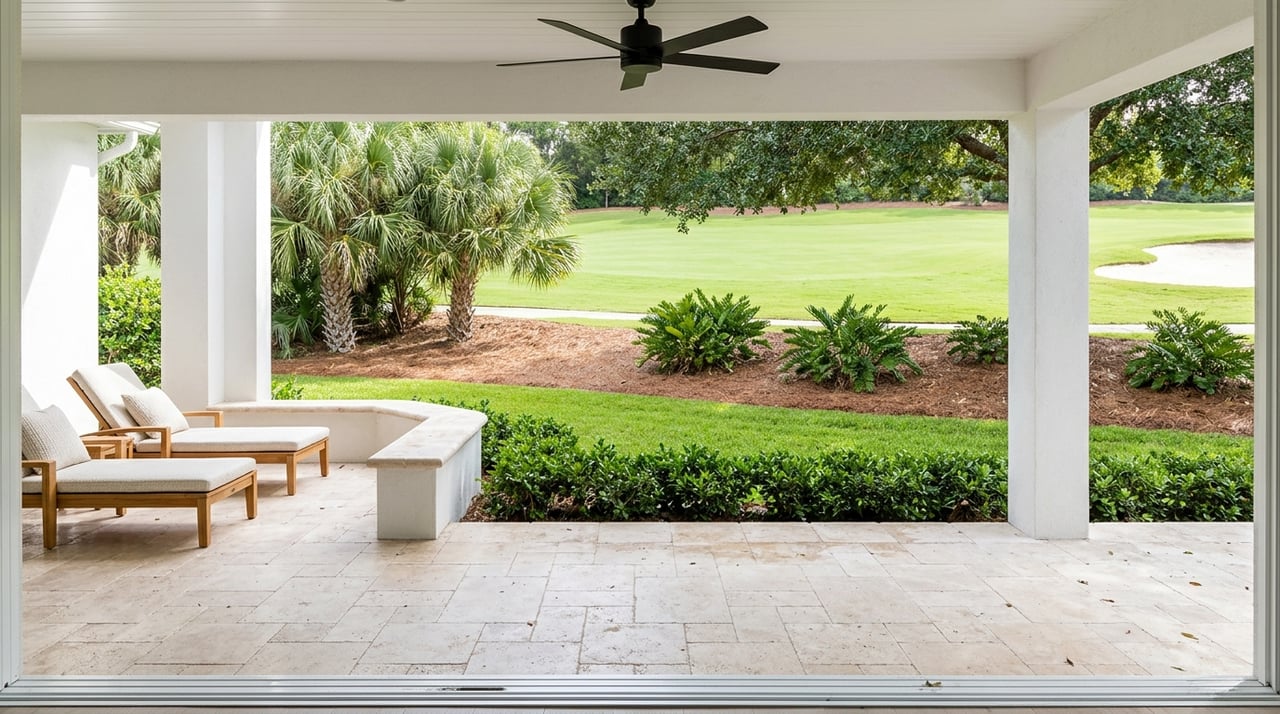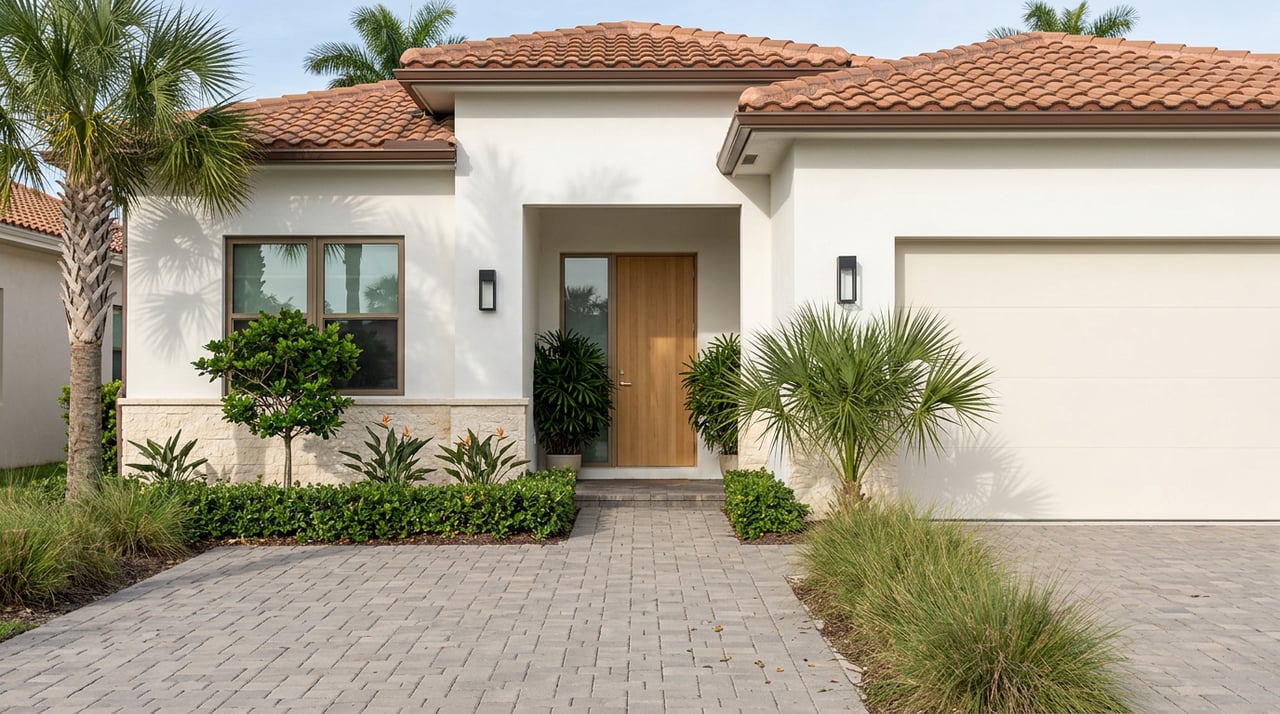
Thinking about renting out a place in Ocean Hammock for part of the year? You are not alone. Many owners here blend personal use with vacation rental income, especially in Cinnamon Beach. The key is knowing where short-term rentals are allowed and what it takes to comply. In this guide, you will learn the rules that matter, how Cinnamon Beach compares to other sections, and the steps to evaluate a property’s rental potential so you can move forward with confidence. Let’s dive in.
Ocean Hammock basics and why Cinnamon Beach stands out
Ocean Hammock sits in The Hammock area of Palm Coast in Flagler County. It is a gated, master-planned community with a master property owners association and multiple sub-associations. Cinnamon Beach is a privately gated resort neighborhood within Ocean Hammock that includes oceanfront pools, a clubhouse, condos, and detached homes. Different sub-neighborhoods follow different association rules, so always confirm which sub-association governs a specific address. You can use the community overview to get oriented to how associations are organized within Ocean Hammock and Cinnamon Beach. Visit the Cinnamon Beach at Ocean Hammock page for a helpful map and summary of sub-neighborhoods.
- Learn more about the Cinnamon Beach at Ocean Hammock community structure at the neighborhood overview on Cinnamon Beach Realty: Cinnamon Beach at Ocean Hammock.
Cinnamon Beach is marketed like a resort, and many property managers actively advertise nightly and weekly stays. This makes it a common target for buyers who want flexible personal use with short-term income.
- See examples of active vacation offerings at Cinnamon Beach Vacations.
The rulebook you must follow
Short-term rental compliance in Ocean Hammock layers four parts. You need to clear state, county, city, and association requirements. Missing any one can lead to fines or loss of rental rights.
1) State of Florida licensing
If you rent for short periods, Florida’s Department of Business and Professional Regulation typically considers your unit a public lodging establishment. Most vacation rentals need a DBPR license under either Vacation Rental — Dwelling or Vacation Rental — Condominium. Review license types, definitions, and guidance here: Florida DBPR vacation rental guide.
2) Flagler County requirements
Flagler County regulates short-term vacation rentals in its land development code. The county program requires a Short-Term Vacation Rental Certificate, life and safety compliance, annual inspections, and a 24/7 responsible party. A summary of the framework and its enforcement approach appears in a public presentation: Flagler County short-term rental framework.
Flagler County also assesses a Tourist Development Tax, commonly called a bed tax. The current rate is 5 percent, and hosts must register with the Tax Collector to collect and remit it. Even if a platform remits some taxes, you are ultimately responsible. Find registration and filing details at the Flagler County Tourist Development Tax page.
3) City of Palm Coast rules
Palm Coast requires short-term rental registration and enforces operational standards such as quiet hours, trash, parking, and an occupancy cap. The city’s program includes an application checklist, designation of a local responsible party, proof of DBPR licensing and tourist tax registration, and city fees and inspections. See requirements and forms at the City of Palm Coast short-term rental page. The city’s ordinance also limits occupancy to 10 guests for registered short-term rentals.
4) HOA and condominium documents
Association rules sit on top of state and local rules. Declarations and bylaws can set minimum lease periods, guest registration procedures, advertising limits, and fines. Enforcement and any grandfathering of rights depend on how and when restrictions were adopted. For a helpful overview of how community associations handle vacation rentals in Florida, see the Florida Bar Journal article on associations and short-term rental platforms: Florida community associations and vacation rentals.
Cinnamon Beach vs. other Ocean Hammock sections
Cinnamon Beach supports a resort-style rental environment, with on-site amenities and many actively rented units. Other single-family enclaves in Ocean Hammock may have different leasing provisions or amenity rules, along with different fees and guest-gate protocols. The recorded legal description for a listing will identify the governing association or condominium. Do not assume all sub-neighborhoods share the same rental policies.
- For orientation to how rules can vary by sub-neighborhood, review the Cinnamon Beach at Ocean Hammock community overview.
How to size income and costs
A clear pro forma helps you decide if a unit will meet your goals. Start with conservative revenue inputs, then layer in real costs.
Revenue: setting a baseline
- Scan active Cinnamon Beach rental calendars to estimate realistic nightly rates and minimum stays. Market ads for three-bedroom condos often show nightly rates in the low to mid hundreds, with higher demand in peak seasons. See a representative listing example showing rate ranges here: Palm Coast beach rental example.
- Use a conservative occupancy assumption, such as 20 to 40 percent for initial underwriting, then test higher scenarios for premium views or larger floor plans.
- Consider seasonality. Holidays and spring break weeks often book at a premium compared to shoulder months.
Expenses: what to include
- Required taxes and licensing. Budget for Florida sales and transient rental tax, the Flagler County 5 percent Tourist Development Tax, and any local business tax receipts or city fees. Find tourist tax guidance at the Flagler Tax Collector.
- HOA or condo dues. Oceanfront communities with strong amenities often have higher monthly assessments that can materially affect net yield.
- Management fees. Full-service vacation rental managers in many markets charge about 20 to 35 percent of gross rent, while co-host or hybrid models cost less but require more owner involvement. See common fee structures in this industry overview: Typical vacation rental management fees.
- Cleaning, turnover, linens, utilities, insurance, maintenance, platform fees, and reserves for replacement.
Quick math example
- Gross revenue = average nightly rate × booked nights. If $350 × 120 nights, gross is about $42,000.
- Net operating income = gross minus management, HOA, taxes, cleaning, utilities, maintenance, insurance, and a vacancy buffer. This is only a starting point. Always run a detailed spreadsheet using the actual HOA dues, city and county fee schedules, insurance quotes, and realistic occupancy.
Operating models and realities in this market
You have three main approaches, each with tradeoffs on time and net yield.
Full-service management
A full-service firm handles marketing, bookings, guest communications, cleaning, inspections, and emergency response. This is often best for remote owners who value a hands-off approach. Expect a percentage of gross rent in exchange for the service level described above.
Hybrid or co-host
A co-host can handle online marketing and guest messaging while you manage cleaning and restocking. Fees are lower, but you will need to be available for local tasks.
Self-manage
Self-management offers the lowest variable fees, but you must coordinate cleaning, guest passes at the guardhouse, and emergency response. City and county rules often require posting a responsible party’s contact and having a 24/7 local point of contact.
For all models, plan clear guest registration instructions for the guardhouse and on-site posting of required rules and contacts. Noncompliance can result in warnings, fines, or suspension of rental certificates under city and county programs. You can review city requirements here: Palm Coast short-term rental program.
Due diligence checklist for buyers
During your contract period, gather these items in writing. Do not rely on verbal statements.
- The full recorded Declaration, Bylaws, and Rules for the master POA and the specific sub-association or condominium that governs the unit. Confirm any leasing limits, guest registration, advertising rules, and fine schedules. A good place to orient yourself is the Cinnamon Beach at Ocean Hammock overview.
- Recent HOA or condo board meeting minutes. Watch for proposed rental changes or enforcement actions.
- The association’s written rental and occupancy policies, and any legal opinions about enforcement or grandfathering. For context on how associations regulate rentals in Florida, see the Florida Bar Journal overview.
- Proof of active licenses and registrations: DBPR license, Flagler County Short-Term Vacation Rental Certificate, Flagler County tourist tax account, and Palm Coast registration. Review license types and definitions here: DBPR vacation rental guide.
- The seller’s rental history, including booked nights, average daily rates, and guest counts, plus copies of permits or any enforcement notices.
- Written confirmation of who remits tourist tax and how payments are filed with the county. See the Flagler tourist tax page for how accounts are set up.
- Insurance details. Confirm the carrier knows the unit is used for short-term rentals and that the policy includes any required endorsements.
- Guardhouse procedures. Ask for current guest-pass instructions and any daily limits on passes per unit.
- For condominiums, request the reserve study and current monthly assessments. High amenity properties often carry higher dues that affect net yield.
Enforcement and how to stay ahead
Palm Coast and Flagler County use registration, inspections, and fines to enforce rental standards. Associations can also fine owners who violate recorded rules. Court cases and local disputes have shaped how far each layer can go, and rules can evolve. Your best protection is documentation, timely renewals, and a conservative pro forma that can absorb changes in fees or operations. For city program details, see the Palm Coast STR page. For broader legal context on association authority, review the Florida Bar Journal article.
Your next steps
- Identify the exact sub-association for any property you are considering, then collect and read the governing documents.
- Verify current licensing and registration status at the state, county, and city levels, and obtain the ID numbers in writing.
- Request at least two local management proposals that include projected occupancy, average daily rate, and a full fee schedule.
- Include an HOA addendum in your purchase contract that allows you to confirm rental rights before closing.
- Set aside funds for any inspection fixes or safety upgrades required for certificates.
If you want a clear path from search to cash flow, a local partner matters. For guidance on specific addresses in Ocean Hammock and Cinnamon Beach, or to review association documents before you write an offer, connect with The Goellner Team. Request a Personalized Consultation and get a tailored plan for your goals.
FAQs
What is the short-term rental rule structure in Ocean Hammock?
- You must comply with Florida DBPR licensing, Flagler County’s certificate and tourist tax, City of Palm Coast registration and operating rules, and your HOA or condo documents.
Do I need a state license to rent my Ocean Hammock condo on weekends?
- If you rent for periods under 30 days or more than three times per year, a Florida DBPR vacation rental license usually applies, in addition to local requirements.
How many guests can stay in a Palm Coast short-term rental?
- Palm Coast enforces an occupancy cap of 10 guests for registered short-term rentals under its city ordinance.
Are Cinnamon Beach properties typically friendly to short-term rentals?
- Cinnamon Beach operates like a resort and many units are rented nightly or weekly, but you should confirm the exact condo or HOA documents for the specific unit.
What taxes apply to short-term rentals in Flagler County?
- Expect Florida sales and transient rental tax plus Flagler County’s 5 percent Tourist Development Tax, with registration and filing through the county tax office.
What should I request from a seller before I buy a rental-ready unit?
- Ask for governing documents, meeting minutes, written rental policies, licenses and registration IDs, rental history, any enforcement notices, insurance details, and guardhouse procedures.