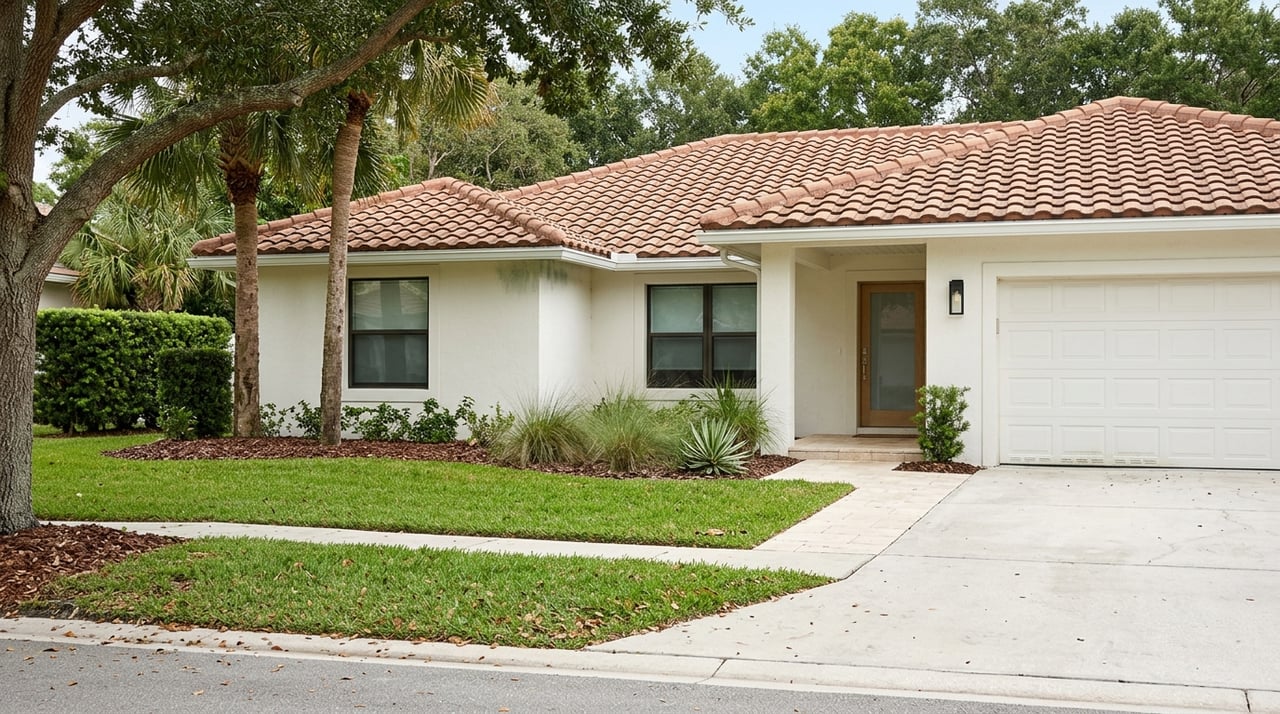
Are you trying to decide whether a brand-new home or an established property is the better fit in Palm Coast? It is a smart question, because here your choice is about more than age alone. In a city shaped by canals, trails, established neighborhoods, and newer communities, the right answer depends on how you want to live and how much process you want to take on. This guide will help you compare Palm Coast new construction and resale homes so you can move forward with more confidence. Let’s dive in.
Why this choice matters in Palm Coast
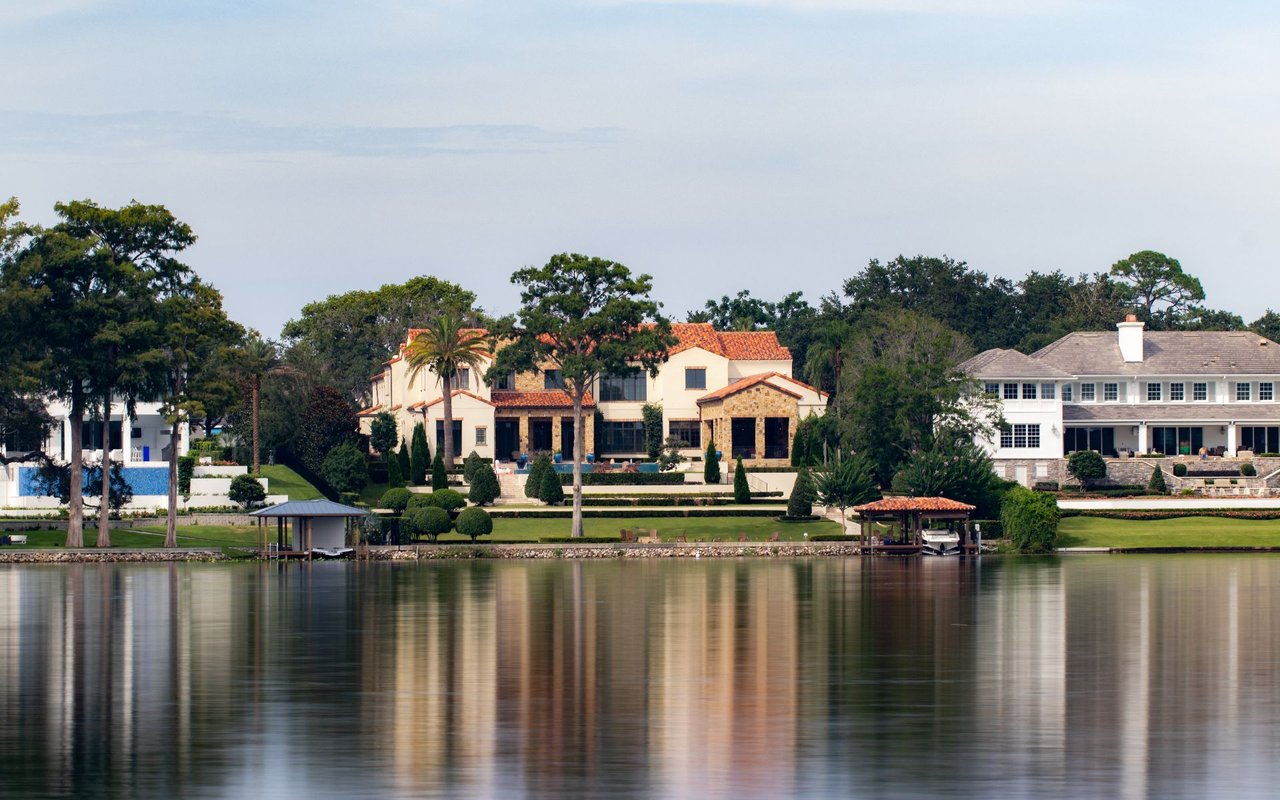
Palm Coast has a distinct layout and feel that can affect your decision. The city describes itself as being built around 70 miles of canals and the Intracoastal Waterway, with more than 130 miles of interconnected trails. That means location, drainage, neighborhood setup, and nearby amenities can matter just as much as whether a home is newly built or already established.
In practical terms, many buyers are deciding between two very different paths. One path offers newer homes, builder processes, and community amenities. The other offers built-out neighborhoods, mature infrastructure, and the ability to inspect a home that is already standing.
What new construction offers
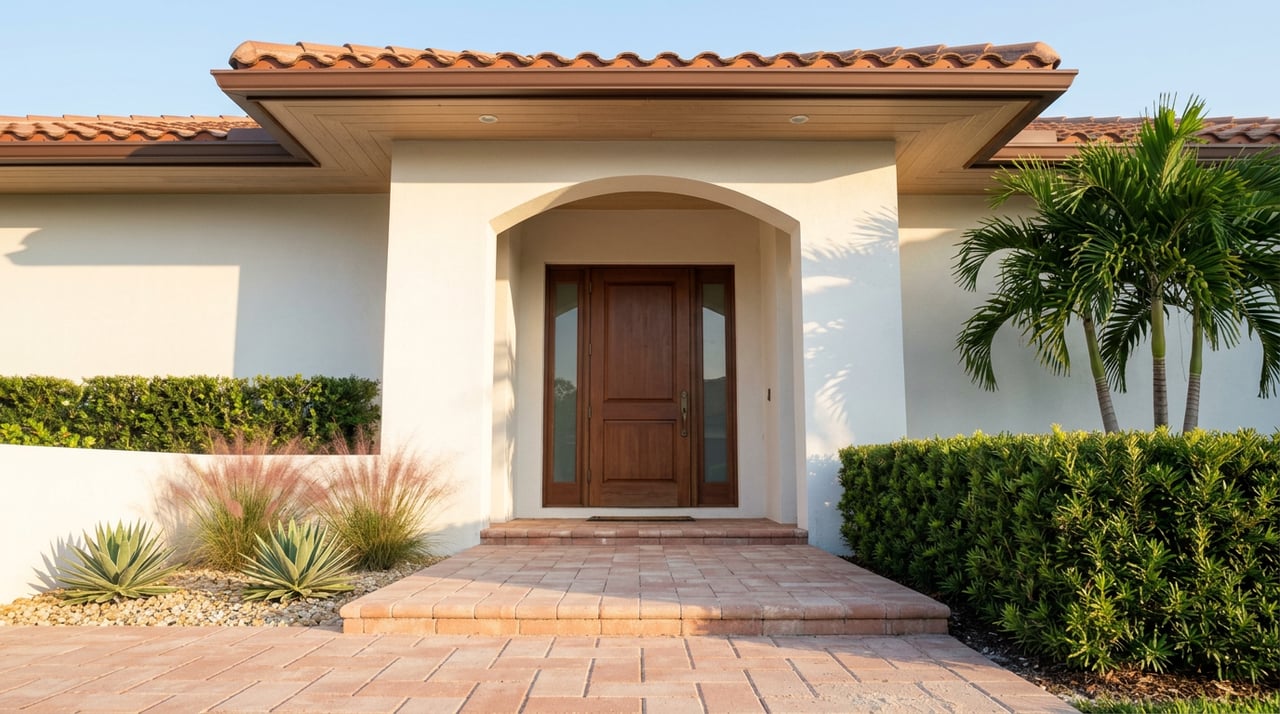
New construction in Palm Coast can include homes in master-planned communities or homes built on scattered lots throughout the city. Current examples in the local market include communities like Sawmill Branch and Seminole Trace, as well as on-your-lot opportunities from builders such as SeaGate. That gives you flexibility if you want either a community setting or a more individual homesite.
For many buyers, the biggest draw is a newer product built under Florida’s current building code. Florida’s current code is the 8th Edition, effective December 31, 2023. A new home may appeal to you if you want modern construction standards and the feel of a home that has not been lived in before.
Warranties can be a major benefit
One of the clearest advantages of new construction is the warranty structure. Florida law requires a builder warranty for newly constructed homes for defects that materially violate the Florida Building Code for one year after original conveyance or occupancy, whichever comes first. Some builders also advertise longer coverage for structural components or systems.
That can give you a clearer path if an issue shows up early in ownership. In Palm Coast, some builders market warranty packages that may include one-year fit-and-finish coverage, multi-year systems coverage, and longer structural coverage. The exact terms vary, so you should always ask what is included and what is excluded.
Amenities may shape your lifestyle
Some new-home communities in Palm Coast are designed around amenities and convenience. Depending on the community, you may find features such as a pool, clubhouse, dog park, splash pad, fitness spaces, pickleball, bocce, lawn care, or a lifestyle director. If you want a more amenity-driven experience, that can be a strong reason to consider new construction.
This can be especially appealing if you are relocating, buying a second home, or looking for a lower-maintenance routine. Instead of focusing only on the house itself, you can weigh the full lifestyle package that comes with the community.
What to watch for with new construction
New construction in Palm Coast also comes with more moving parts. The city’s building department has a more detailed process for scattered or ITT lots, and that may include surveys, locate plans, grading and drainage plans, and flood-zone documentation. Because Palm Coast actively manages canals, swales, pipes, ditches, and stormwater systems, these details are not just paperwork. They can directly affect timelines, site preparation, and final cost.
For new one- and two-family dwellings permitted on or after July 1, 2025, Palm Coast requires a lot grading and drainage plan sealed by a Florida-licensed professional engineer and final grading certification at completion. That makes drainage planning an important local factor when you compare homesites. It is a good idea to ask the builder exactly how these requirements are being handled.
Budget beyond the base price
The advertised price of a new home is not always the full cost. Flagler County Central Permitting routes land-development applications and lists an impact fee schedule, and Palm Coast notes utility contribution adjustments tied to water and sewer infrastructure. Depending on the property, you may also need to account for drainage work, site preparation, and HOA charges.
Ask for an itemized estimate before you commit. A helpful list includes permit fees, impact fees, utility contribution fees, HOA dues, lawn care charges if applicable, and any site or drainage-related work. Seeing the total picture can help you compare a new build more fairly with a resale home.
What resale homes offer
Resale homes in Palm Coast often attract buyers who want an established setting. Neighborhoods such as Belle Terre and Indian Trails sit within the city’s mature network of parks and trails. For some buyers, that built-out environment feels more predictable and easier to evaluate than an area still seeing active construction.
An established neighborhood may also offer mature landscaping, completed roads, and nearby public amenities that are already in place. In Belle Terre, for example, Belle Terre Park is next to the Palm Coast Aquatics Center, and the city has continued work on Belle Terre Parkway safety, sidewalk, drainage, and culvert improvements. If you value a neighborhood that already has its street pattern and public features in place, resale may be a better fit.
You can evaluate the actual home today
A major advantage of resale is that the home already exists in its finished condition. You can walk the rooms, look at the lot, study how the home sits on the site, and inspect visible wear and updates. That can feel more concrete than choosing from plans, allowances, or a home still under construction.
Resale can also make move-in timing easier to predict. Instead of waiting on build schedules, inspections, and final completion, you are usually evaluating a home that is already ready for due diligence. If timing matters, that can be a meaningful plus.
What to watch for with resale homes
The trade-off is that resale homes do not come with the same builder-backed warranty structure as a newly built home. In Florida, sellers must disclose known facts that materially affect value and are not readily observable by the buyer. That is an important protection, but it is not the same as having a builder warranty in place after closing.
That is why inspections and property history matter so much. If you are buying a resale home, you should ask about known material defects, past repairs, prior water intrusion, and permit history. You do not want to assume that every issue will be obvious just by walking through the property.
Pay close attention to drainage and swales
In Palm Coast, drainage should be part of your resale review. The city says property owners are responsible for maintaining swales and driveway culverts, and it also notes that some standing water in a swale is expected. Swales are a core part of the city’s drainage system, so their condition matters.
When you tour a resale home, look at the swale, drainage flow, erosion, and any signs of chronic standing water or flooding. These are highly local issues that can affect maintenance and peace of mind. A careful inspection can help you understand what you are taking on.
Flood zone questions matter for both options
Whether you buy new construction or resale, flood-zone review is important in Palm Coast. Flagler County notes that there can be a 30-day waiting period for flood coverage, and standard homeowners insurance does not cover flood damage. That makes it important to ask about flood zone status early in the process.
This is not just an insurance question. It can also shape your monthly cost, your lender requirements, and how you evaluate a specific lot or neighborhood. If you are comparing homes, make flood-zone and insurance implications part of the conversation from the start.
New construction vs resale at a glance
Factor | New Construction | Resale Home |
|---|---|---|
Home condition | Brand-new home built under current code | Existing home with visible history and condition |
Warranty | Builder warranty structure available | No builder-backed new-home warranty structure |
Process | More permitting, surveys, drainage, and timing variables | More inspection- and disclosure-driven review |
Costs | May include fees beyond base price | Pricing is usually more straightforward upfront |
Setting | Community amenities or scattered-lot options | Established neighborhoods and mature infrastructure |
Decision style | Best if you want newer features and warranty clarity | Best if you want to inspect the finished home and neighborhood today |
How to decide in Palm Coast
The best choice usually comes down to your priorities. New construction often makes the most sense if you want modern code compliance, a clearer warranty path, and a community or lot option that fits your lifestyle. Resale often makes more sense if you want an established neighborhood, built-out surroundings, and the ability to evaluate the home through inspections and seller disclosure.
A few questions can help you narrow it down:
- Do you want a planned community with amenities, or an established neighborhood with mature infrastructure?
- Are you comfortable with the added timelines and paperwork that can come with new construction?
- Would you rather have builder warranty coverage or the ability to inspect a finished home in real time?
- Have you reviewed the full cost, including fees, dues, drainage work, and insurance implications?
- For resale, have you looked closely at disclosure history, permit records, and signs of water or drainage issues?
In Palm Coast, this decision is rarely just about whether a house is newer. It is about choosing the type of ownership experience that fits you best, from move-in timing to maintenance expectations to neighborhood feel. When you compare both paths carefully, you are much more likely to land on a home that works for your life now and in the years ahead.
If you want local guidance that is tailored to your goals, The Goellner Team can help you compare neighborhoods, communities, and available homes across Palm Coast with a more personalized strategy.
FAQs
What is the main difference between Palm Coast new construction and resale homes?
- New construction typically offers a newer home, current-code construction, and a builder warranty structure, while resale homes often offer established neighborhoods, mature infrastructure, and a home you can inspect in its finished condition.
What extra costs should you ask about with Palm Coast new construction?
- You should ask for an itemized estimate that may include permit fees, impact fees, utility contribution fees, HOA dues, lawn care charges, and any site-prep, grading, or drainage-related costs.
Why do drainage and swales matter when buying a Palm Coast resale home?
- Palm Coast says swales are a core part of the drainage system, and property owners are responsible for maintaining swales and driveway culverts, so you should review swale condition, erosion, drainage flow, and signs of chronic standing water.
What warranty protection comes with a newly built home in Florida?
- Florida law requires a builder warranty for newly constructed homes for defects that materially violate the Florida Building Code for one year after original conveyance or occupancy, whichever comes first, and some builders may offer additional coverage.
What should you review before buying any home in Palm Coast flood-prone areas?
- You should review the flood zone, ask about flood-insurance implications, and remember that Flagler County notes a 30-day waiting period for flood coverage and that standard homeowners insurance does not cover flood damage.